


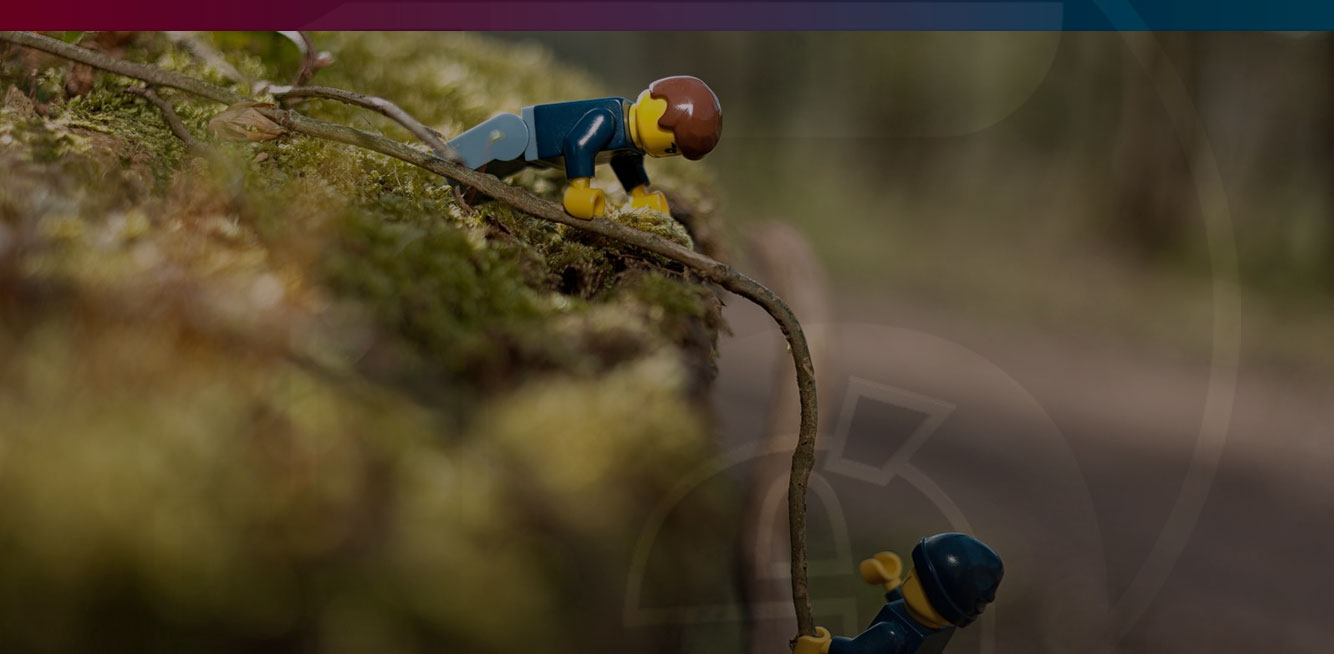
Among the hundreds of millions of people facing substance use, reaching a place where help is available is an extraordinary opportunity...

There is a phrase that may sound uncomfortable, even provocative: the addict’s luck.
Because when we talk about addiction, we usually think about everything but luck. We think about loss, illness, family conflict, violence, accidents, financial problems, unemployment, crime, and, in the most serious cases, death.
But there is another way to look at this reality.
On June 26, 2025, the United Nations Office on Drugs and Crime (UNODC) reported that approximately 300 million people worldwide use drugs, and that only one in twelve receives some form of treatment.
The number is staggering: approximately 275 million people who use drugs do not receive treatment.
Now think about those who do.
Think about the person sitting in an Alcoholics Anonymous meeting today. Perhaps they arrived after years of substance use. Maybe they lost a job, a relationship, money, friends, or their family’s trust. Maybe they did things they deeply regret.
Maybe they almost didn’t make it.
Because substance use can lead to situations that change a life in a matter of seconds: driving under the influence and causing an accident; getting into a fight; committing a crime; stealing to obtain drugs; losing a job; abandoning a family; suffering an overdose; or ending up in prison.
And that is why there is something we need to recognize.
If you are sitting in a meeting today, you are alive. You are free. And you are seeking help.
That is luck, too.
It is not lucky to have developed an addiction. It is not lucky to have suffered its consequences. It is not lucky to have hurt others or to have been hurt.
The luck is in having survived long enough to be able to do something about it.
Of the millions of people facing substance-use problems, not everyone makes it to a place where they can ask for help. Some die. Others end up in prison. Others continue using for years while their health, relationships, and lives deteriorate.
That is why perhaps we should look at a person who is trying to recover in a different way.
They are not simply someone who has a problem.
They are someone who still has an opportunity.
And that changes everything.
They may have lost many things, but as long as they are alive, they can still recover some of them. They can rebuild a relationship. They can return to work. They can apologize. They can regain their children’s trust. They can learn to live differently.
The past cannot be changed.
But the next chapter can.
That is why, for someone struggling with addiction, sitting in a meeting today should not be a reason for shame.
It should be a reason for hope.
Asking for help is not a sign of weakness. It is recognizing that a problem exists and having the courage to face it.
There is a phrase that brutally summarizes where an untreated addiction can lead: prison, hospital, or the grave.
But there is a fourth possibility.
Recovery.
And those who are in a meeting today are already walking toward it.
They may not know how long it will take. They may have relapses, setbacks, difficult days, and moments when they want to give up.
But there is something they must not forget:
They are here.
They are alive.
They are free.
And they are doing something to change their lives.
Among the hundreds of millions of people facing substance use, reaching a place where help is available is an extraordinary opportunity.
Perhaps that is why it is worth talking about the addict’s luck.
Because some people are lucky enough never to experience addiction.
But those who experienced it and managed to survive may have another kind of luck: the luck of being alive while they still have time to change.